

Deep learning in plastics manufacturing: cutting scrap and defects
In the evolving landscape of plastics manufacturing, the integration of deep learning and AI technologies is redefining standards for quality control, operational efficiency, and sustainability. This transformative approach goes beyond enhancing production processes; it’s reshaping the entire industry.
Deep Learning: A Game-Changer in Plastics Quality Control
The implementation of deep learning in plastics manufacturing marks a significant shift from traditional quality control methods. These advanced algorithms excel in detecting even the minutest defects in products, ranging from surface imperfections to structural inconsistencies. For instance, a study by McKinsey found that using deep learning for defect detection in manufacturing can increase accuracy by up to 90%. This level of precision in quality control ensures that every product leaving the production line meets stringent quality standards, thereby significantly boosting customer satisfaction and trust.
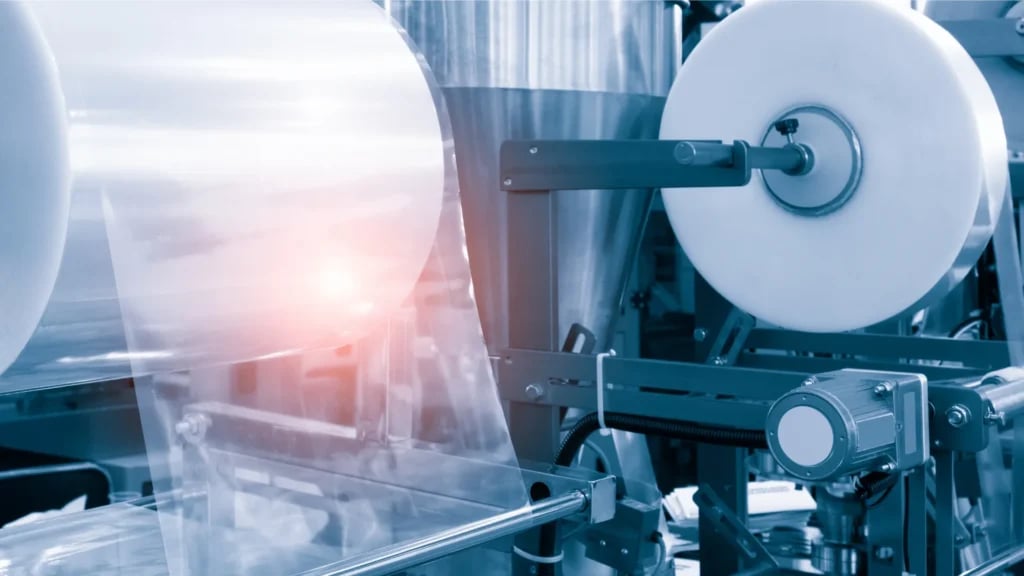
Technical Depth of AI in Manufacturing
The technical aspects of AI, such as machine learning algorithms and data analytics, play a critical role. For instance, Deloitte highlights how AI can optimize supply chain management in manufacturing, balancing stock levels and predicting lead times.
Impact on Plastics Operational Efficiency
Deep learning algorithms, when coupled with real-time data analysis, empower plastics manufacturers to make swift, informed decisions. This agility is crucial in rapidly responding to market demands and fluctuating production dynamics. By accurately predicting potential production issues and swiftly addressing them, manufacturers can significantly reduce downtime and enhance overall plastics operational efficiency.
Predictive Maintenance: Proactive Rather Than Reactive
One of the standout benefits of incorporating AI and deep learning in plastics manufacturing is predictive maintenance. This proactive approach uses real-time data to foresee equipment malfunctions before they occur, allowing for timely maintenance and avoiding costly production halts. This not only extends the lifespan of machinery but also ensures a smooth, uninterrupted manufacturing process.
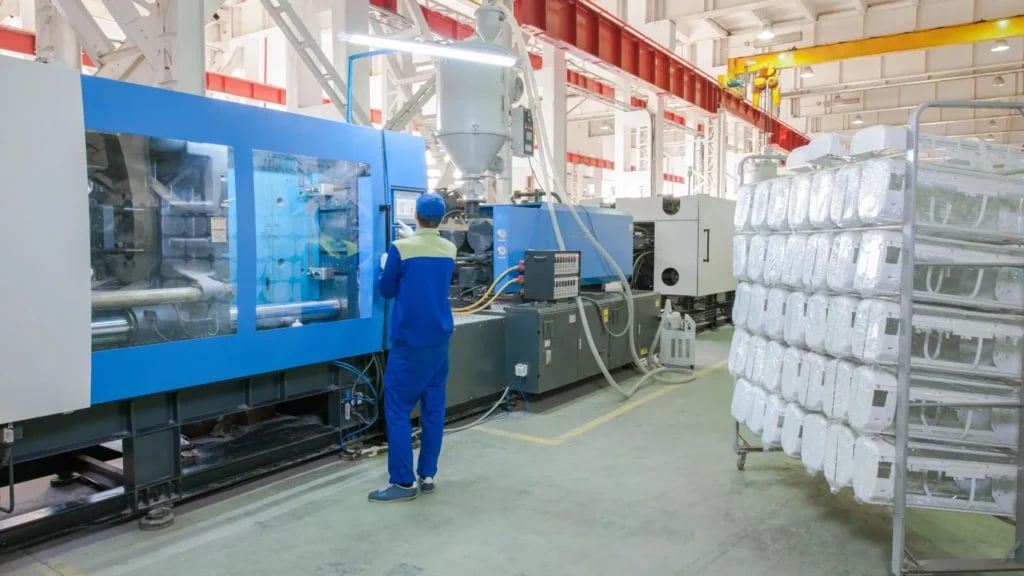
ProcessMiner: Leading the AI Revolution in Plastics Manufacturing
ProcessMiner has emerged as a frontrunner in bringing these AI-driven advancements to the plastics manufacturing sector. Our platform leverages real-time data to provide actionable insights, enabling manufacturers to fine-tune their processes continuously. From reducing material wastage to optimizing energy consumption, ProcessMiner’s solutions are tailored to enhance every aspect of plastics manufacturing.
Sustainable Manufacturing: A Core Objective for the Plastics Industry
In today’s eco-conscious world, sustainability is a crucial objective for any industry, and plastics manufacturing is no exception. By optimizing resource usage and minimizing waste, deep learning and AI technologies are playing a pivotal role in promoting sustainable plastics manufacturing practices. This not only helps in reducing the environmental footprint of plastic production processes but also aligns with the growing consumer demand for eco-friendly products.
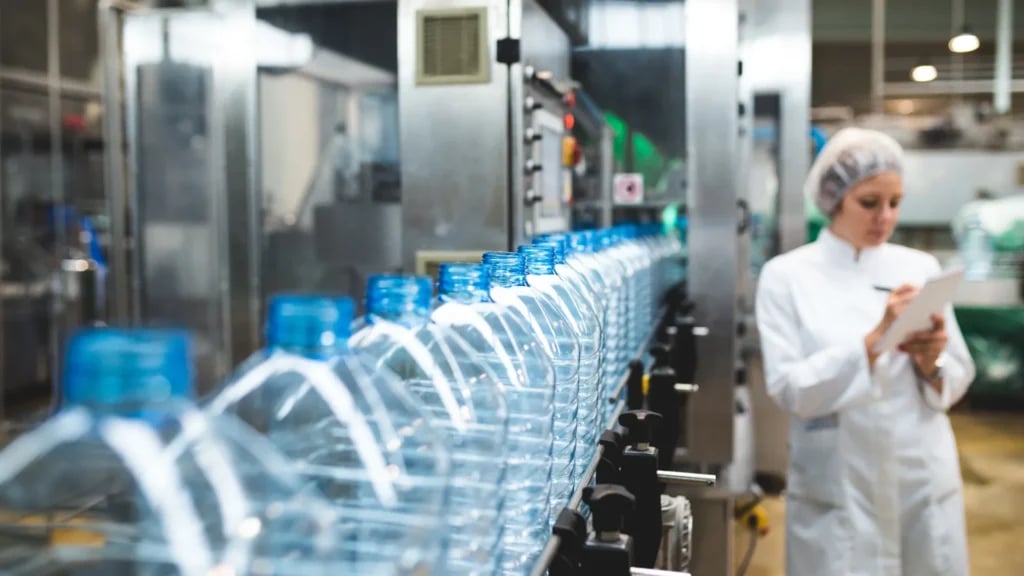
Future Outlook: AI at the Forefront
As we look towards the future, the role of AI and deep learning in plastics manufacturing is poised to grow even more significant. These technologies are expected to become integral components of the manufacturing process, driving innovation, efficiency, and sustainability.
ProcessMiner is committed to being at the forefront of this evolution, continuously enhancing our AI solutions to meet the ever-changing demands of the industry. We invite manufacturers to join us in this journey towards a more efficient, productive, and sustainable future in plastics manufacturing.
Embracing AI for a Sustainable Future in Plastics Manufacturing
The integration of deep learning and AI into plastics manufacturing marks a new era of technological excellence. By embracing these advancements, manufacturers can not only improve their operational efficiency and product quality but also contribute to a more sustainable future. ProcessMiner is proud to be a part of this transformative journey, helping manufacturers harness the power of AI for a brighter, more efficient manufacturing tomorrow.
Injection molder cuts scrap rate 25%
How an Injection Molding Manufacturer Cut Scrap Rates 25% in a Single-Machine Pilot
Company: Fortune 500 plastic injection molding manufacturer Scope: Single-machine pilot, medical specialty plastic vial production Result: 25% reduction in scrap rate, six-figure annualized savings
The Challenge: Scrap Running 20% Above Company Average
A Fortune 500 injection molding manufacturer was struggling with unusually high defect rates on a medical specialty plastic vial product. Scrap on the affected line was running more than 20% above the company’s own average — enough to erode margin on a high-volume product and enough that the root cause wasn’t obvious from standard process monitoring alone.
The manufacturer brought in ProcessMiner to find out why, and to see whether physical AI — AI applied directly to real sensor and process data, not language or generic automation — could identify what conventional monitoring was missing.
Injection molding doesn’t run as one continuous stream the way a paper machine or extrusion line does — it’s a cyclic, shot-based process, with each cycle carrying its own temperature, pressure, and cooling profile. That repetition is exactly what creates continuous optimization opportunities: shot-to-shot variation that, left unaddressed, quietly compounds into scrap.
The Approach: Find the Root Cause, Then Fix the Parameters
The engagement started with an offline data review, evaluating data quality and completeness from the pilot machine before any modeling began. That groundwork mattered — it’s what let the team understand which manufacturing quality parameters and control elements actually influenced the defects, rather than guessing.
Within the first 90 days, ProcessMiner analyzed data from more than 300 sensors on the pilot machine — a modeled subset of the roughly 800 tags a typical injection molding machine carries. Working from the most informative signals rather than every available tag is standard practice for ProcessMiner’s models across every vertical; it’s what keeps recommendations targeted instead of noisy.
That analysis identified two specific defect types responsible for the majority of scrap in the specialty bottle production. From there, the platform generated real-time quality predictions and issued targeted recommendations for adjusting key parameters — temperature and pressure settings among them — whenever the process moved out of bounds.
This is quality prediction, not equipment-failure forecasting: the platform flags when the process itself is drifting toward a defect and prescribes the parameter change to correct it, on a real-time basis. It doesn’t predict when a machine will break down, and it isn’t marketed that way.
The Results: 25% Lower Scrap, Six-Figure Savings — On One Machine
Acting on ProcessMiner’s recommendations, the manufacturer reduced scrap rates by 25% on the pilot machine. That single-machine result translated into annualized six-figure operational savings — a meaningful number on one line, and the reason the manufacturer moved from open-loop recommendations toward more autonomous control.
As the pilot matured, ProcessMiner’s platform began adjusting select machine settings autonomously at the start of each shift, using IoT-based write-back to the injection molding machine’s control system. That consistency reduced production variability shift to shift and helped lift first-pass yield — fewer parts needing rework or scrap, more parts right the first time.
It’s worth being precise about scope: this is a single-machine pilot result, not a plant-wide or company-wide figure. ProcessMiner doesn’t yet have a broader plastics deployment to report — this is the vertical’s first published proof point, and it’s a strong one on its own terms.
Why This Matters Beyond One Machine
The mechanics here — find the parameters actually driving defects, recommend the correction in real time, and earn trust toward autonomous control — are the same approach ProcessMiner has proven at greater scale in pulp and paper, where quality variability reductions of 20%+ are documented across dozens of machines. Plastics manufacturers evaluating physical AI for their own fleets can read this as an early, credible signal: the same predict-and-recommend approach that works shot-to-shot on one injection molding machine is built to extend across a multi-machine fleet, with cycle-time, scrap, and downtime as the next opportunities in scope.
For a plant running injection molding lines with unexplained scrap variation, the takeaway isn’t that one pilot solved plastics manufacturing — it’s that the same rigor applied here (real sensor data, targeted root-cause analysis, prescriptive recommendations) is repeatable on your own line.