

VIDEO: The AI platform tomorrow’s manufacturers run on
Bridging the skilled-labor gap in manufacturing
The skilled labor gap is a real and pressing concern for manufacturers. As baby boomers retire or leave the workplace, there are simply not enough skilled workers to replace them. This is expected to have a major impact on the manufacturing industry as companies struggle to find the talent they need to keep production going.
In fact, according to a study by The Manufacturing Institute, more than two-thirds of manufacturers are concerned about the lack of skilled labor available to replace these retiring workers.
According to McKinsey, in the next ten to fifteen years, the pulp, paper and packaging industry will be under an immense amount of pressure to keep up with rapidly changing developments. New business models brought about by an increasingly online world, along with a heightened need for innovation and commercialization of products, will mean that the talent pool within these companies will be put under immense strain.
Furthermore, digitalization is set to have a profound effect on manufacturing processes – meaning that even the content of work will be transformed. Consequently, it is clear that forest-products companies must start to invest in their talent pool now, in order to avoid being left behind in the years to come.
The days of workers toiling away in dirty, dangerous factories are coming to an end. With the rise of automation and artificial intelligence, many jobs that have traditionally been performed by human beings are now being done by machines. This shift is already underway in the pulp, paper and packaging industry, where 60 percent of all tasks can now be automated. In the coming years, this trend is only going to accelerate, with more than 30 percent of physical and manual skills becoming obsolete.
This presents a major challenge for companies in the industry, who will need to reskill their workforce to keep up with the times. But it also presents an opportunity. Those companies that are able to embrace the future of work will find themselves with a major competitive advantage.
So the question is: which side are you on?
As baby boomers leave the manufacturing workforce, they take with them years of experience and knowledge.
The labor shortage in the manufacturing industry has been steadily worsening over the years as more experienced workers retire without passing on their skills to the next generation. The result is a widening skills gap that threatens to hamper the industry’s ability to compete in the global marketplace.
The knowledge these baby boomers are taking with them cannot be easily replaced, which means the lack of experienced workers that can operate and maintain sophisticated equipment is a real and present danger to the manufacturing industry.
That being the case, manufacturers are turning to artificial intelligence (AI) to help bridge the gap. By leveraging AI technologies, manufacturers can train machines to perform tasks that previously required human expertise.

AI can help to close the labor gap in three ways: by providing a digital workforce that can operate 24/7, by training the next generation of workers, and by improving productivity, thereby reducing the need to replace workers one-for-one.
AI in manufacturing can be used to help with things like quality control and product inspection. By using AI, manufacturers can reduce their reliance on human labor. This is especially helpful in industries where there is a lot of repetitive work that needs to be done.
- A digital workforce is not subject to human limitations, such as breaks or vacations. They can also be easily scaled up or down to meet changing labor needs. Additionally, because they are not human, they do not need to be paid and can work for free.
- The second way AI can help is by training the next generation of workers. By using historical data and collecting domain expertise from current workers, AI can create models that show the most efficient way to complete a task. These models can then be used to train and support new workers, significantly reducing the time it takes them to ramp up and be productive.
- Properly deployed, the combination of predictive analytics and AI can provide next-level insights that can reduce the need for human intervention and allow few employees to deliver the output/impact of many. For example, by predicting a problem before it occurs and taking action to correct it in real-time, manufacturers have been able to reduce staff, improve quality and increase production.
ProcessMiner, an industry-leading AI platform, helps manufacturers autonomously optimize product quality, reduce waste, save raw materials, and improve overall equipment effectiveness,
ProcessMiner is at the forefront of helping manufacturers combine IT and OT data to unlock hidden insights and deliver measurable operational returns. The ProcessMiner platform automatically delivers improvements to overall operational effectiveness in the areas of availability, performance, and quality.
Manufacturing Needs to Stay Competitive in Today’s Ever-Changing Business Landscape
The manufacturing industry is changing rapidly, with artificial intelligence and technology playing an increasingly important role. Manufacturers that keep up with the changing landscape of technology and make it known that these advancements are being used will appeal to young workers. Potential employees want to see that the company is modern and keeping up with current trends, and investing to improve workers’ skills – factors that are important to many younger generations.
AI can provide a number of benefits to the manufacturing industry, including increased efficiency, improved quality control, and reduced costs. In addition, AI can help manufacturers train new employees and keep existing employees up-to-date on new technologies and processes. By investing in AI, manufacturers can stay competitive in today’s ever-changing business landscape.

Jeff Fulgham, ProcessMiner Business Advisor
Jeff Fulgham is a Senior Executive with over 40 years of experience in corporate strategy, strategic marketing, enterprise sales, and M&A. Jeff is passionate about innovation and aligning unique solutions with unmet customer needs to solve big challenges.
Jeff’s experiences include executive-level roles at General Electric, Banyan Water, a venture capital-backed startup, and Solenis, a private equity-owned carve-out. He has successfully led global marketing, services and research teams, acquisitions and divestitures, and is a recognized expert in addressing the global water crisis, helping major global clients optimize water & energy resources and reduce waste.
The evolution of statistical process monitoring
Title: The Evolution and Required Transformation of Statistical Process Monitoring
By Bill Woodall, Professor Emeritus of Statistics, Virginia Tech | Originally published Oct 20, 2021 | Technology
In Industry 4.0, there is a need for automated diagnosis of process monitoring alarms along with root cause determination and process adjustment. Computationally intensive and adaptable approaches such as those incorporated into ProcessMiner software are required for these reasons.
Our readers are likely familiar with the industrial practice being broken down into the following four roughly defined eras: Industry 1.0 (use of water and steam power and mechanization starting about 1800), Industry 2.0 (use of electricity, mass production, and assembly lines starting about 1900), Industry 3.0 (use of automation and information technology starting about 1970) and now Industry 4.0 (use of cyber-physical control and big data starting about 2011). In addition to advances in technology, these eras of industrial practice could also be characterized in terms of increases in the availability and use of data.
Industry 2.0 and Statistical Process Monitoring
Statistical process monitoring (SPM) originated with Walter Shewhart’s work at Western Electric during the Industry 2.0 era. Shewhart was the first person to recognize that the time order of industrial data could be very informative. Data collection was slow, manual, and expensive in his day. Sampling frequencies were typically low. The first Shewhart chart in 1924, for example, involved a plot of proportions of non-conforming items with the data aggregated over months. Any calculations had to be simplified in order to be done by hand. The Shewhart control limits were set at plus and minus three standard deviations of the control chart statistic from the centerline. The Western Electric Handbook, which operationalized Shewhart’s ideas, was first published in 1956.
There were some major advances in SPM methods during Industry 2.0. Harold Hotelling introduced the first chart for monitoring multivariate data in 1947. S. W. Roberts introduced the exponentially weighted moving average (EWMA) chart in 1959 and E. S. Page introduced the cumulative sum (CUSUM) chart in 1961. These methods made better use of information in recent data. It does not seem, however, that the EWMA and CUSUM methods had much of an influence on industrial practice in this era.
Richard Freund of Kodak introduced the acceptance control chart in 1957. The purpose of his chart was to widen the Shewhart chart control limits to avoid the detection of process shifts that were considered to be too small to be of practical importance.
As another notable contribution, in 1959 J. E. Jackson proposed a multivariate monitoring method based on the use of principal components. It was much later, however, before the principal component methods could be used to their full potential.
Industry 3.0 and Statistical Process Monitoring
The quality revolution in the U.S. started around 1980, well into the Industry 3.0 era. The primary driving force behind the quality revolution was quality and price competition from Japanese companies. Statistical monitoring methods became widely used and in some cases oversold. W. E. Deming was the de facto spiritual leader of the quality revolution because much of the Japanese quality success was attributed to his teaching in Japan in 1950 and later. Deming was a strong proponent of process improvement by continual variation reduction. He also advocated the use of the Shewhart control chart, writing that no method of monitoring was better. In particular, he was opposed to the widening of the Shewhart three-sigma control limits.
As the amount of data increased during Industry 3.0, more and more SPM methods were developed. Computation became much less of an issue with software, such as Minitab® and JMP®, becoming available. There were additional multivariate methods introduced such as the multivariate EWMA chart and multivariate CUSUM charts. As sampling frequencies increased, it became important to account for autocorrelation in the data. Manufacturing processes are almost invariably multi-stage, so methods were developed to account for incoming quality, not just outgoing process quality, at each stage.
Methods were developed in Industry 3.0 for monitoring processes where there was more than just the one variance component assumed with Shewhart control charts. For example, with batch data, there could be variation between batches as well as variation within batches. There were extensions required for the monitoring of functional data (called profile monitoring), where quality is best characterized by a relationship between a response variable and one or more explanatory variables. One of the first applications of profile monitoring was developed at the U.S. National Bureau of Standards for monitoring calibration curves. Some methods were also developed for monitoring image and video data.
Industry 4.0 and Statistical Process Monitoring
Although standard Industry 2.0 and 3.0 statistical process monitoring methods can remain useful, they fail to work well, if at all, in many Industry 4.0 applications. Industry 4.0 data are often high-dimensional with high sampling frequencies. Control charts have been developed to signal for data that indicated a statistically significant process change. With massive amounts of data, any change, however small, becomes statistically significant. In an increasing number of cases, the focus needs to be on detecting, to the extent possible, only process changes of practical importance. In effect, control charts and warning systems, in general, need to be tuned to detect shifts of practical interest, which will vary by application.
Having a smoke alarm that is activated by the striking of a match would be very undesirable in a kitchen, for example, but such sensitivity might be desirable in an airplane lavatory. Thus, there needs to be a return to some of the basic ideas of Richard Freund and the acceptance control chart. The focus needs to be on the practical importance, not just the statistical significance, of process changes.
There are other complicating issues that can arise with Industry 4.0 data. The use of sensor technology leads to high dimensional data, so dimension reduction methods can be helpful to take advantage of the resulting duplication of information. The high sampling frequencies require decisions about the appropriate level of data aggregation. Sampling frequencies will rarely be synchronized for the measured variables, as assumed in Industry 3.0 multivariate methods. In particular, quality variables are often measured at much lower frequencies than process variables and are often characterized by delays such as those due to lab work.
The types of data in Industry 4.0 can vary as well with attribute data, variables data, profiles and image data all required for decision making. In addition, there can be complicated relationships between variables involving correlation and causation.
The data involved in Industry 4.0 applications can be far too complicated to be handled by traditional statistical process monitoring approaches. Modeling and using the process data effectively, even by process experts, is often impossible. That is precisely the kind of automated diagnosis and root cause determination that computationally intensive, adaptable approaches — including software such as ProcessMiner’s — are built to provide.
Deep learning in plastics manufacturing: cutting scrap and defects
In the evolving landscape of plastics manufacturing, the integration of deep learning and AI technologies is redefining standards for quality control, operational efficiency, and sustainability. This transformative approach goes beyond enhancing production processes; it’s reshaping the entire industry.
Deep Learning: A Game-Changer in Plastics Quality Control
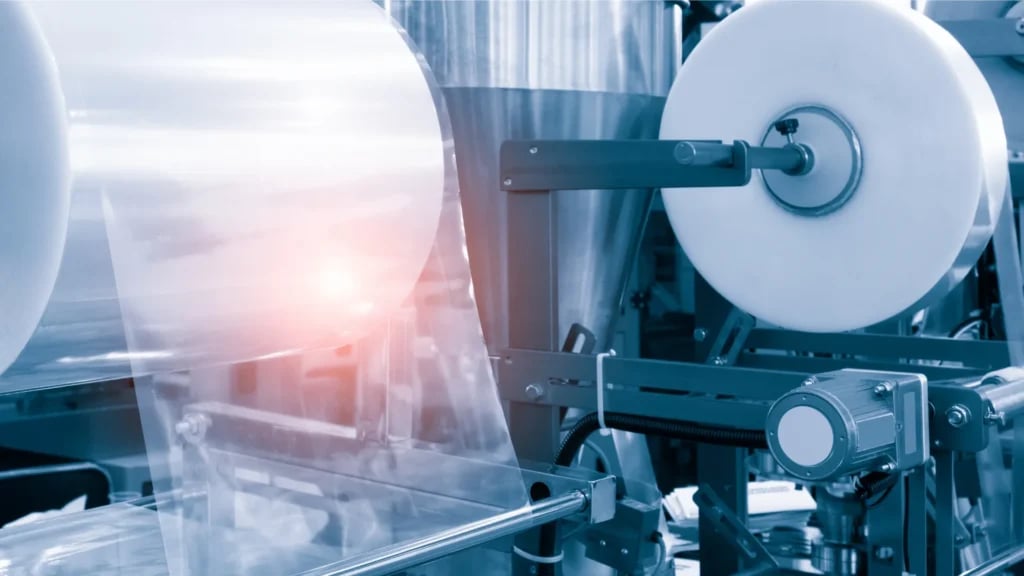
The implementation of deep learning in plastics manufacturing marks a significant shift from traditional quality control methods. These advanced algorithms excel in detecting even the minutest defects in products, ranging from surface imperfections to structural inconsistencies. For instance, a study by McKinsey found that using deep learning for defect detection in manufacturing can increase accuracy by up to 90%. This level of precision in quality control ensures that every product leaving the production line meets stringent quality standards, thereby significantly boosting customer satisfaction and trust.
Technical Depth of AI in Manufacturing
The technical aspects of AI, such as machine learning algorithms and data analytics, play a critical role. For instance, Deloitte highlights how AI can optimize supply chain management in manufacturing, balancing stock levels and predicting lead times.
Impact on Plastics Operational Efficiency
Deep learning algorithms, when coupled with real-time data analysis, empower plastics manufacturers to make swift, informed decisions. This agility is crucial in rapidly responding to market demands and fluctuating production dynamics. By accurately predicting potential production issues and swiftly addressing them, manufacturers can significantly reduce downtime and enhance overall plastics operational efficiency.
Predictive Maintenance: Proactive Rather Than Reactive
One of the standout benefits of incorporating AI and deep learning in plastics manufacturing is predictive maintenance. This proactive approach uses real-time data to foresee equipment malfunctions before they occur, allowing for timely maintenance and avoiding costly production halts. This not only extends the lifespan of machinery but also ensures a smooth, uninterrupted manufacturing process.
ProcessMiner: Leading the AI Revolution in Plastics Manufacturing
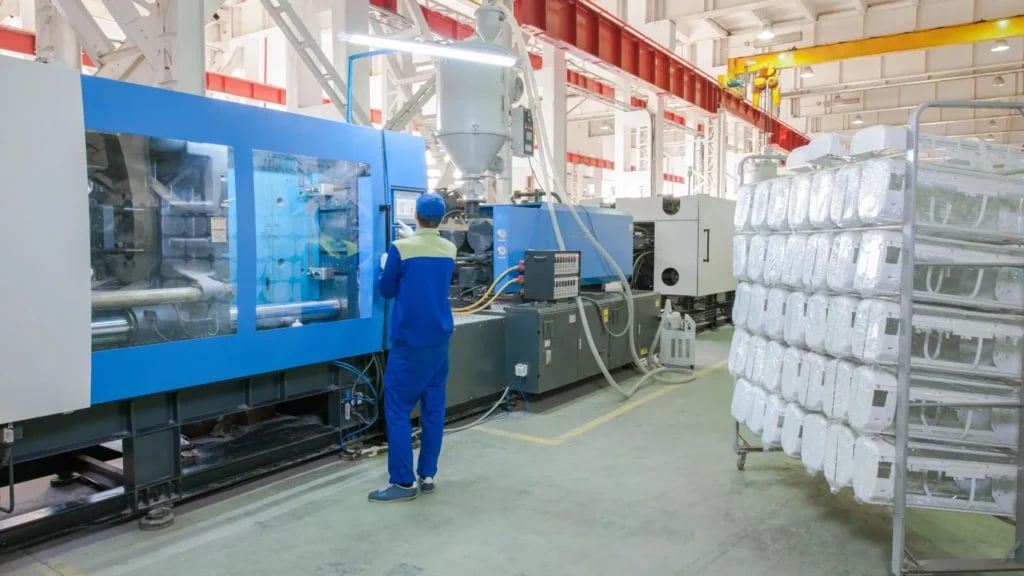
ProcessMiner has emerged as a frontrunner in bringing these AI-driven advancements to the plastics manufacturing sector. Our platform leverages real-time data to provide actionable insights, enabling manufacturers to fine-tune their processes continuously. From reducing material wastage to optimizing energy consumption, ProcessMiner’s solutions are tailored to enhance every aspect of plastics manufacturing.
Sustainable Manufacturing: A Core Objective for the Plastics Industry
In today’s eco-conscious world, sustainability is a crucial objective for any industry, and plastics manufacturing is no exception. By optimizing resource usage and minimizing waste, deep learning and AI technologies are playing a pivotal role in promoting sustainable plastics manufacturing practices. This not only helps in reducing the environmental footprint of plastic production processes but also aligns with the growing consumer demand for eco-friendly products.
Future Outlook: AI at the Forefront
As we look towards the future, the role of AI and deep learning in plastics manufacturing is poised to grow even more significant. These technologies are expected to become integral components of the manufacturing process, driving innovation, efficiency, and sustainability.
ProcessMiner is committed to being at the forefront of this evolution, continuously enhancing our AI solutions to meet the ever-changing demands of the industry. We invite manufacturers to join us in this journey towards a more efficient, productive, and sustainable future in plastics manufacturing.
Embracing AI for a Sustainable Future in Plastics Manufacturing
The integration of deep learning and AI into plastics manufacturing marks a new era of technological excellence. By embracing these advancements, manufacturers can not only improve their operational efficiency and product quality but also contribute to a more sustainable future. ProcessMiner is proud to be a part of this transformative journey, helping manufacturers harness the power of AI for a brighter, more efficient manufacturing tomorrow.
AI-driven process and quality optimization in wastewater treatment
In the vast tapestry of global challenges, the efficient and sustainable management of water stands out as one of the most pressing. As water scarcity looms and treatment processes grapple with increasing demand and rising costs, the treatment of wastewater becomes a top priority.
No one would argue that wastewater treatment plants are crucial in safeguarding public and environmental health. However, with aging infrastructure and the ever-increasing cost of operations, treatment plants face significant challenges impacting efficiency, effectiveness, sustainability and equipment performance.
In addition to executing regular maintenance, manual sampling and periodic upgrades, developing and executing modernization strategies will be critical in the WWTP’s ability to keep pace with population growth, expanding contamination, wastewater loads and environmental regulations. Advanced technologies, specifically Artificial Intelligence (AI), facilitated by trailblazers like ProcessMiner, are proving to be a game-changer in achieving energy-efficient and sustainable operations, optimizing chemical dosing, and minimizing operational costs.
The Contemporary Challenges of Waste Management in Water Treatment
Traditional Water Treatment Systems:
Historically, wastewater treatment processes are complex and, at times, wasteful. Today, treatment plants typically rely on coagulation, sedimentation, filtration, and disinfection. While these methods are effective, they require significant amounts of chemicals, energy, and other resources.
In addition to typical contaminants, keeping up with the growth of pharmaceuticals, personal care products and other emerging contaminants, which are finding their way into wastewater, poses new challenges. The waste produced in these systems isn’t just about unused water; it’s about the increased use of chemicals, energy, and constant monitoring required to address environmental challenges and potential health risks for consumers.
The AI Renaissance: Pioneering Efficient Wastewater Treatment Management
Real-time Optimization with AI:
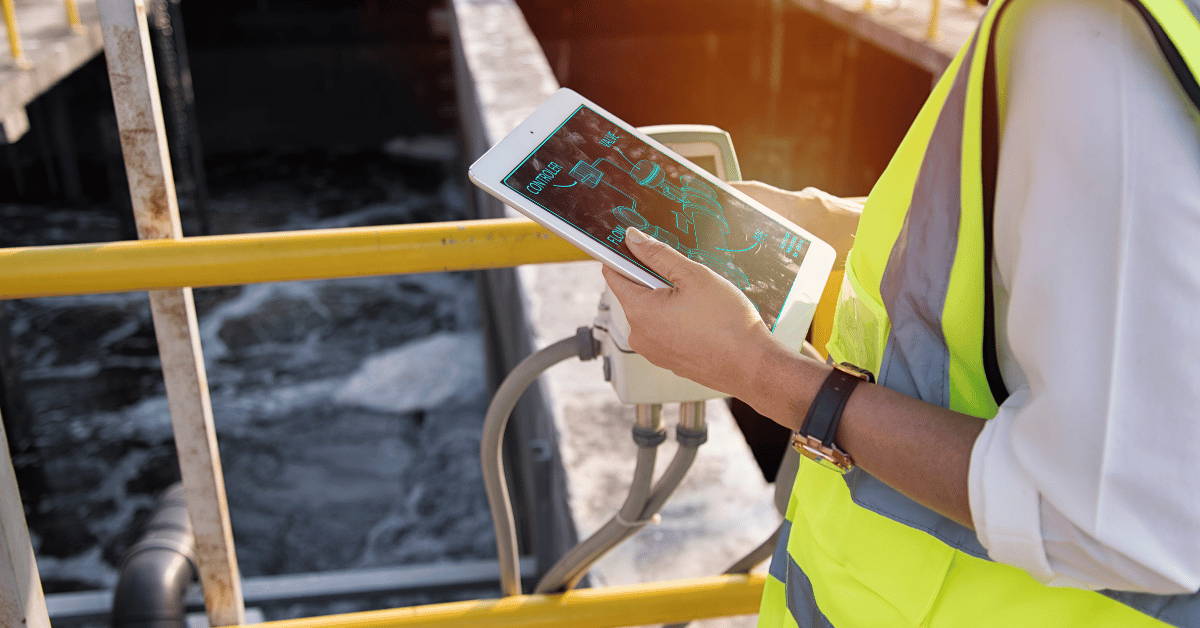
It will take a combination of technological innovation and infrastructure investment to address these challenges. One emerging technology being applied in wastewater treatment is AI. Integrating automated monitoring systems with the state of AI technology promotes the ability to leverage historical and real-time process data to monitor imbalance events, predict water quality outcomes, and prescribe corrective action to eliminate undesirable outcomes.
In addition, when implemented in a closed-loop architecture, systems can even execute corrective action autonomously without human intervention. Ultimately, reducing the cost of operations (optimizing chemical dosage and energy use) while at the same time improving the consistency of filtrate quality.
Chemical Dosing: Striking the Right Balance with AI
Challenges of Traditional Dosing:
Inconsistent chemical dosing can result in monetary waste and compromise water quality. The right balance is crucial to ensuring effective disinfection and coagulation without overuse.
AI-Driven Precision:
AI, backed by the prowess of Machine Learning techniques, continuously adapts and self-learns from the myriad of historical and in-process data points. This ongoing learning ensures dosing precision while considering factors like water source variability, seasonal changes, and facility-specific requirements.
According to a 2019 study by the Water Research Foundation, facilities that implemented AI-driven solutions reported up to a 20% reduction in operational costs, primarily attributed to optimized chemical dosing and efficient energy consumption.
By integrating AI solutions like those offered by ProcessMiner, facilities can ensure optimal chemical use, high-quality output, and significant cost savings.

Eco-friendly Wastewater Treatment:
Beyond monetary savings, reducing waste is an environmental imperative. Combining advanced technologies with traditional wastewater management techniques allows treatment facilities to decrease waste production significantly.
A 2020 report by the Environmental Protection Agency (EPA) highlighted that, compared to their non-AI-optimized counterparts over the same period, AI-optimized plants in the U.S. reduced chemical waste disposal into waterways by approximately 15%. This eco-friendly reduction contributes significantly to the preservation of our aquatic ecosystems.
The Future is Clear
The ability to monitor, test, detect and correct imbalance events using only traditional process methods can be inefficient and costly. By addressing the challenges through a combination of technological innovation, infrastructure investment, regulatory compliance, and community engagement, wastewater treatment plants can enhance their efficiency, sustainability, and overall performance. Thus, safeguarding our precious water resources and public health.
If you are ready to elevate your facility’s wastewater treatment process, contact us today. ProcessMiner is ready to partner with you to deliver unparalleled efficiency, waste reduction, and quality assurance. Let’s dive into a more sustainable future together.
Driving innovation and compliance in wastewater treatment
The wastewater treatment sector is facing a significant regulatory shift. Stricter laws and regulations have increased the pressure on wastewater treatment plants to adapt and evolve.
Recent amendments in EPA guidelines focusing on nutrient removal have highlighted the urgency for wastewater treatment plants (WWTPs) to refine their processes and serve as a testament to that shift.
This landscape of tightening regulations, combined with traditional wastewater management challenges, makes it clear that innovation is key to achieving compliance and operational efficiency.
Factors Driving The Need for Innovation in Wastewater Treatment
The urgency for innovation in wastewater treatment has never been greater, driven by a confluence of critical factors:
- Rising Microplastics: The increase of microplastics in water sources is alarming. Studies have shown that conventional treatment processes often fail to fully remove these contaminants, posing a risk to both human health and the environment. This underscores the need for advanced wastewater treatment technologies for removing finer particles.
- Escalating Pollution Levels: Pollution in water bodies is escalating at an unprecedented rate. The World Health Organization reports that over 80% of the world’s wastewater is discharged without adequate treatment, leading to severe environmental and health impacts. Innovative treatment methods are crucial to address this escalating issue.
- Population Growth and Urbanization: The world’s population is expected to reach 9.7 billion by 2050, with a significant portion residing in urban areas. This demographic shift increases the strain on existing wastewater infrastructure, demanding more efficient and scalable treatment solutions.
- Financial Implications of Non-Compliance: The financial burden of failing to meet regulatory standards is substantial. For instance, in the United States, non-compliance with EPA regulations can result in fines of up to $25,000 per day. This highlights the economic imperative for WWTPs to adopt innovative, compliant technologies.
- Increasing Energy Demands: Wastewater treatment is energy-intensive, accounting for a significant portion of municipal energy use. Innovations aimed at reducing energy consumption can lead to substantial cost savings and environmental benefits.
- Global Focus on Sustainable Practices: There is a growing global emphasis on sustainable and eco-friendly practices. Adopting innovative wastewater treatment methods aligns with this trend and enhances a facility’s reputation for environmental stewardship.
These factors collectively emphasize the critical need for an advanced AI-driven approach to wastewater treatment. One particular area that has a transformative effect in enabling great compliance and sustainability is the sludge dewatering process.
Innovating Wastewater Treatment Starts with Sludge Dewatering
As sludge dewatering is one of the highest contributing costs to wastewater treatment, it represents an ideal place to integrate advanced technology with traditional processes. This crucial step, integral to the treatment cycle, is ripe for a technological overhaul.
Traditional reactive and manual methods often fall short in efficiency and compliance. Improvements in this area enhance the overall treatment process and play a pivotal role in meeting regulatory standards.
The integration of AI and Machine Learning emerges as a new path to enhanced precision in polymer dosing and greater efficiency in the sludge dewatering process. AI-driven solutions can significantly reduce costs and enhance compliance by optimizing polymer dosing. As an example, ProcessMiner’s advanced AI solutions for wastewater treatment are a practical example of this leap forward, offering a combination of operational efficiency and regulatory adherence previously unattainable.
By optimizing processes like polymer dosing and enhancing overall treatment efficiency, AI in wastewater treatment addresses these challenges and paves the way for sustainable, compliant, and cost-effective operations. To learn more about cost-efficiencies that can be obtained by optimizing the sludge dewatering process with AI, download our guide, “The High Costs of Inefficiency: Optimizing Wastewater Treatment.”
Variability reduction: the metric that decides margin
Every manufacturer talks about hitting spec. Fewer talk about the metric that actually determines whether hitting spec costs you money or makes you money: variability.
Variability is the gap between what your process produces and the target you’re aiming for. Every continuous process has some — it’s the nature of running real equipment on real materials, not a sign that something’s broken. The question isn’t whether you have variability. It’s whether you’re managing it, or paying for it without realizing it.
Two ways to hit the spec — only one of them is cheap
Say you’re running a paper machine, and the quality measure that matters is sheet thickness. Your customer has a lower specification limit: fall below it, and that reel doesn’t ship.
If your process has high variability, your thickness readings are spread wide around your target — some reels comfortably above spec, some dangerously close to the line, some failing it outright. Operators know this, so they compensate the only way they can with the tools they have: they run the process a little hot. In a paper mill, that usually means overfeeding wood fiber to push the average thickness up, so even the low end of a wide, noisy distribution still clears the limit.
It works. It also costs money on every single reel, not just the ones that would have failed. Fiber runs roughly half the cost of producing paper, so a mill absorbing that overfeed as insurance is paying a permanent tax to cover for a process it can’t see clearly enough to trust.
The other option is to narrow the distribution itself — bring every reel closer to target, instead of running the whole average higher to protect the outliers. A tighter distribution means fewer excursions below the limit without needing to run hot at all. It also opens a second lever: once your process is consistently landing near target, you can tighten your own internal spec range further, which compounds the savings on raw material, waste, and machine speed. This is what “reducing variability” actually buys you — it’s not a quality slogan, it’s a materials-cost lever with the fiber bill attached to it.
The real obstacle: you can’t fix what you can’t measure in time
Here’s the part that makes variability hard to manage in most plants: you don’t find out you’re off-target until it’s too late to do anything about the batch that just went out.
In a typical paper mill, the operator pulls a sample from a completed reel, walks it to the lab, and waits — often 45 minutes or more — for the test result. By the time that number comes back, the process has moved on. Speed, temperature, moisture, and a dozen other variables have already shifted from what they were when the sample was taken. The operator is now adjusting the process based on a snapshot of conditions that no longer exist.
This creates two bad options. Either the operator chases every lab result with a fresh correction, effectively steering blind between tests and overcorrecting for conditions that have already changed. Or they set the controls to a known “recipe” and hold steady until the next test, accepting whatever variability shows up in the meantime. Neither approach closes the real gap: the lag between when quality actually shifts and when anyone finds out.
Closing the gap between the process and the test
The lab-lag problem isn’t really a lab problem — it’s a visibility problem. The fix isn’t testing faster; it’s predicting continuously between tests, using the process data you’re already collecting.
That means quality models that update every 30 seconds instead of every 45 minutes, built on the process variables you already have — speed, temperature, raw material feed, and the rest — trained against your actual historical lab results. Instead of one data point every reel, operators get a continuously updated read on where the current batch is trending relative to target.
The second half of the fix is what operators do with that information. Recommendations only need to fire when the process actually drifts out of bounds — a specific, actionable adjustment tied to a specific variable, not a constant stream of alerts competing for attention on top of everything else on the floor. Information, not data. An operator who gets a clear signal fifteen minutes before a reel goes out of spec has time to make one correction instead of guessing at three.
None of this requires replacing the sensors or historian a mill already has. Deployments like this typically layer on top of existing infrastructure — no new hardware, and no data science degree required to run it day to day. The platform combines the process expertise your team already has with continuous, adaptive models that keep learning from every new lab result that comes in.
What narrower variability is actually worth
The numbers back this up in deployments where it’s been measured directly. Mills applying this kind of continuous prediction and centerlining have seen quality variability drop by more than 20%, alongside chemistry and raw material reductions in the 10–25% range depending on the process. On a single paper machine, that combination of tighter quality control and reduced overfeed has been valued at $2.4 million a year — a figure one customer attributed roughly half to the platform and half to their own operators acting on better information.
That’s the real case for treating variability as a margin metric rather than a quality footnote. A process that’s consistently on target doesn’t need the insurance of running hot, doesn’t need operators guessing between lab tests, and doesn’t need to accept a wide spec range as the cost of doing business. Real-time quality prediction updated every 30 seconds closes the gap between when your process shifts and when you know about it. Centerlining keeps the process on its golden run instead of drifting and correcting in fits and starts. Together, they’re what turn variability from a fact of manufacturing into something you can actually manage — and what shows up, eventually, as automated quality optimization instead of a line item you write off every quarter.